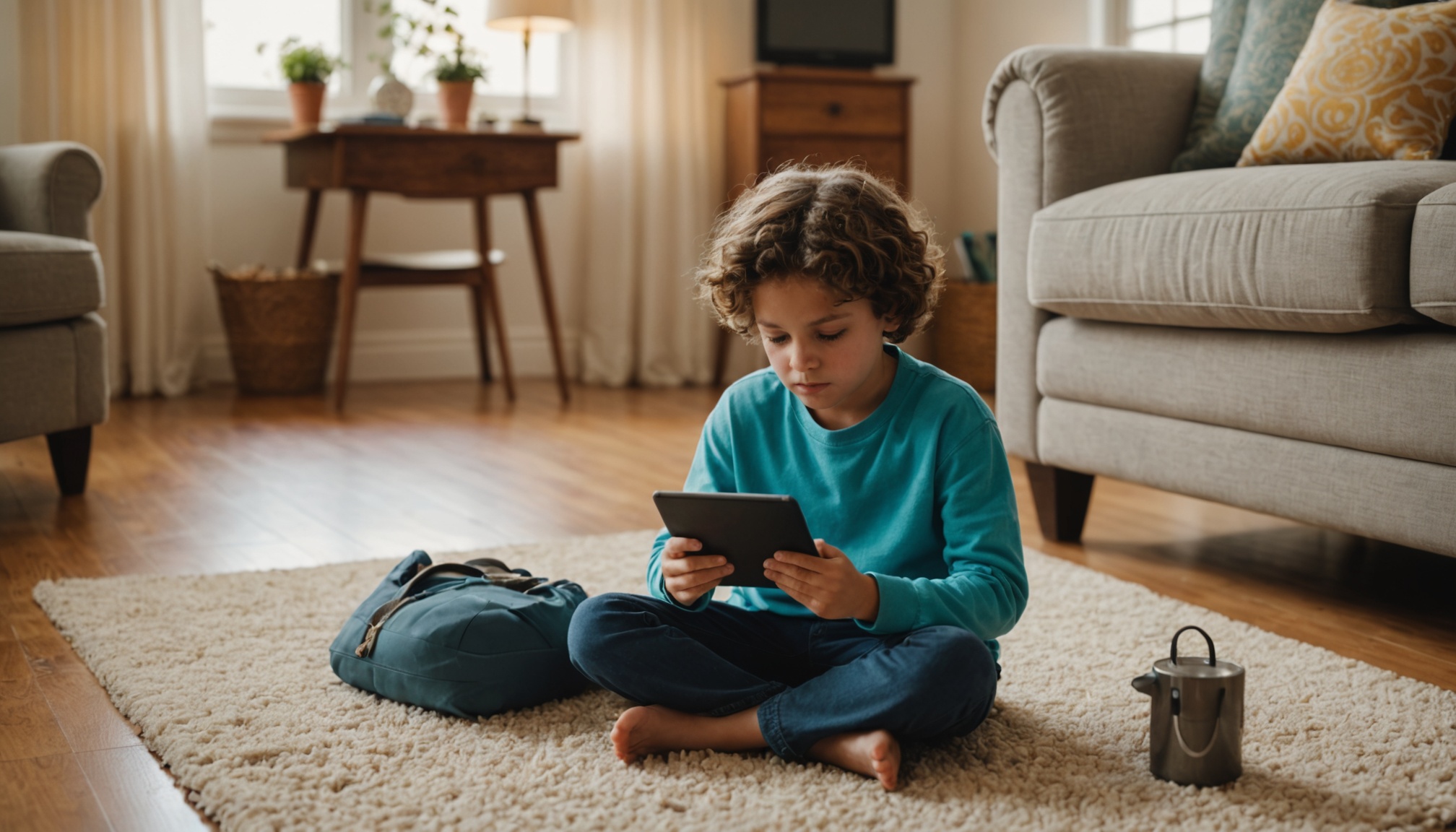
Every few months, a new study lands about screen time and children. The headlines are usually alarming. The research, when you actually read it, is almost always more complicated.
What the Studies Actually Measure
Most screen time research measures total hours, not context. Two hours of video-calling grandparents and two hours of passive social media scrolling look the same in the data. They don't feel the same to a kid.
The American Academy of Pediatrics updated their guidance in 2016 and again since — moving away from rigid hour limits toward quality and context. That shift matters. It means the question isn't just "how much" but "what kind" and "under what circumstances."
What Actually Predicts Harm
The research consistently flags a few specific patterns. Screen use that displaces sleep is the clearest one — kids who use devices in their bedroom after lights-out show measurable effects on mood and attention. Passive consumption of social comparison content is another. But neither of those is captured by a blanket hour limit.
Displacement is the key concept. When digital activity replaces physical activity, sleep, or face-to-face interaction, that's where outcomes get worse. When it adds to those things — or is one of them — the picture changes.
What This Means Practically
Rules that work tend to be specific. "No phones at dinner" and "no devices after 9pm" are enforceable and address the actual risk factors. "No more than 2 hours per day" is hard to enforce and doesn't map to what the research actually says matters.
The other thing the research consistently shows: parent involvement makes a difference. Not surveillance. Conversation. Knowing what your child is doing online, even loosely, is associated with better outcomes. That's where tools like Xoul fit — giving you signal without requiring you to read everything.
The Takeaway
Set specific, enforceable rules around the things that actually matter (sleep, displacement of physical activity). Stay curious about what your child is doing online rather than just tracking time. And treat any headline about screen time with appropriate skepticism — the research almost never supports what it gets summarized as.