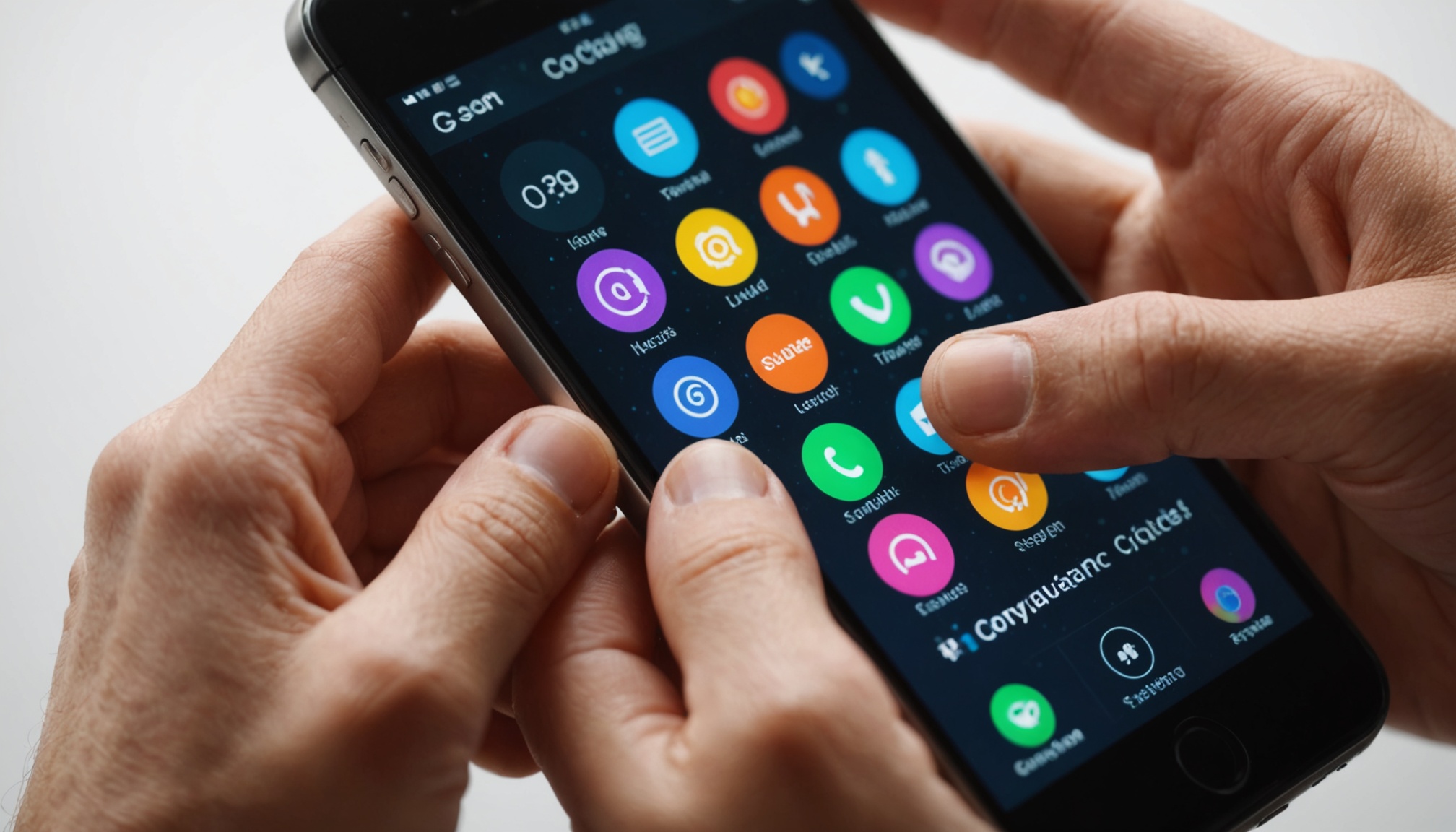
The question parents ask most often isn't "how do I monitor my child?" It's "how do I know if my child is okay?" Those two questions sound similar. They're not.
The Problem with Content Monitoring
Tools that give parents access to message content solve the wrong problem. Most parents who use them report the same experience: they get too much information, most of it irrelevant, and the specific thing they were worried about still managed to happen without a clear warning sign in the content.
More importantly, when children find out — and they usually do — the trust damage is significant and hard to repair. Teenagers who discover they've been monitored don't become more transparent. They become more sophisticated about hiding things.
What AI Does Differently
Behavioral AI doesn't read messages. It identifies patterns: frequency changes, timing changes, shifts in the type of interactions happening, changes in communication patterns that correlate with known stress or risk indicators. These patterns turn out to be more predictive than content for most of the things parents actually worry about.
Cyberbullying, for example, shows up in behavioral patterns before it shows up in specific messages. Social isolation follows the same trajectory. These are pattern-level phenomena, and pattern-level analysis is where AI is genuinely useful.
Where the Line Is
The distinction that matters isn't just legal or technical. It's relational. Does this tool give you information you can act on? Does it protect the trust relationship that makes your child more likely to come to you when something is really wrong? Or does it satisfy your anxiety while eroding the foundation you'll need in a crisis?
The best tools give you signal, not surveillance. They tell you when to pay closer attention or start a conversation. They don't replace the conversation.
The Role Xoul Plays
We built Xoul around this distinction from day one. Behavioral metadata only — not message content. Regular reports that give you trend information and context, not real-time monitoring. Alerts that prompt a conversation, not an interrogation. The goal is always to strengthen the parent-child relationship, not to give you a tool for controlling it.